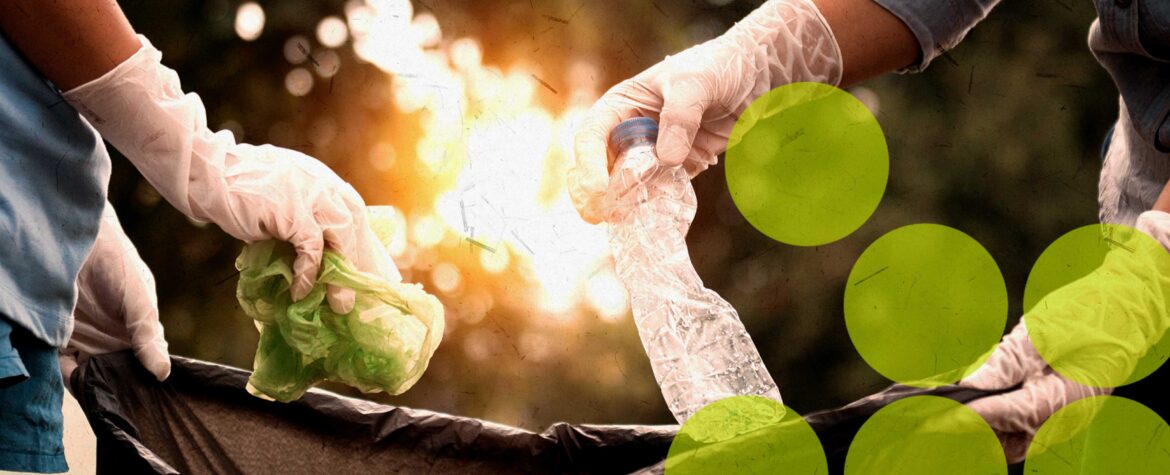
Are You Recycling Correctly? Common Recycling Mistakes and Practical Tips
Recycling plays a major role in protecting the environment, reducing waste, and conserving valuable natural resources. However, many households still make common recycling mistakes without realizing the impact these errors can have on the recycling process.
Understanding how to recycle correctly is an important step toward building cleaner, healthier, and more sustainable communities.
Why Recycling Matters Every year, millions of tonnes of waste end up in landfills across the UK. Improper waste disposal contributes to pollution, greenhouse gas emissions, and environmental damage.
Recycling helps: – Reduce landfill waste – Save energy – Protect natural resources – Lower carbon emissions – Support a cleaner environment
When done properly, recycling can significantly reduce the environmental impact of households and communities.
Common Recycling Mistake Recycling Dirty Containers Food-covered containers can contaminate recyclable materials. Items like yoghurt pots, takeaway containers, and drink bottles should be rinsed before placing them in recycling bins.
Putting Plastic Bags in Recycling Bins Many local recycling facilities cannot process plastic bags. Instead, they often require separate collection points at supermarkets or designated recycling centers.
Recycling Greasy Pizza Boxes While cardboard is recyclable, grease and food residue can ruin the recycling process. Clean sections may be recyclable, but heavily stained boxes should go into general waste or compost.
“Wish-Cycling” Wish-cycling happens when people place non-recyclable items in recycling bins hoping they can be processed. This creates contamination and increases sorting costs.
Mixing Different Materials Some packaging combines multiple materials such as plastic, foil, and paper. These often need to be separated before recycling.
Practical Recycling Tips Check Local Recycling Guidelines Recycling rules can vary depending on your local council. Always check what materials are accepted in your area.
Rinse Before Recycling A quick rinse helps prevent contamination and keeps recyclable materials clean.
Separate Materials Remove lids, caps, or mixed packaging when possible to improve recycling efficiency.
Reduce Before You Recycle The best waste is waste that never exists. Reducing unnecessary packaging and reusing items helps lower overall waste production.
Educate Your Household Teaching children and family members about recycling creates long-term environmental awareness and positive habits.
Recycling and Community Impact Good recycling habits do more than protect the planet — they strengthen communities. Cleaner environments improve public health, reduce waste management costs, and encourage greater environmental responsibility.
At CipherQuill CIC, sustainability and community education are part of a broader mission to empower people through knowledge, creativity, and practical action.
By encouraging environmental awareness alongside digital and creative education, communities can work together toward a more sustainable future.
Conclusion Recycling correctly may seem like a small action, but collective habits create powerful change. By understanding common mistakes and adopting smarter recycling practices, individuals and families can make a real difference for the environment.
Creating sustainable communities starts with awareness, education, and everyday choices. Together, we can reduce waste, protect natural resources, and build a cleaner future for generations to come.